roof load path
Educational resource
Roof load paths: Budgeting and cost control
Roof load paths: Budgeting and cost control. A roof system is safer to understand as a continuous load path from sheathing and trusses through bearings…
Why this matters
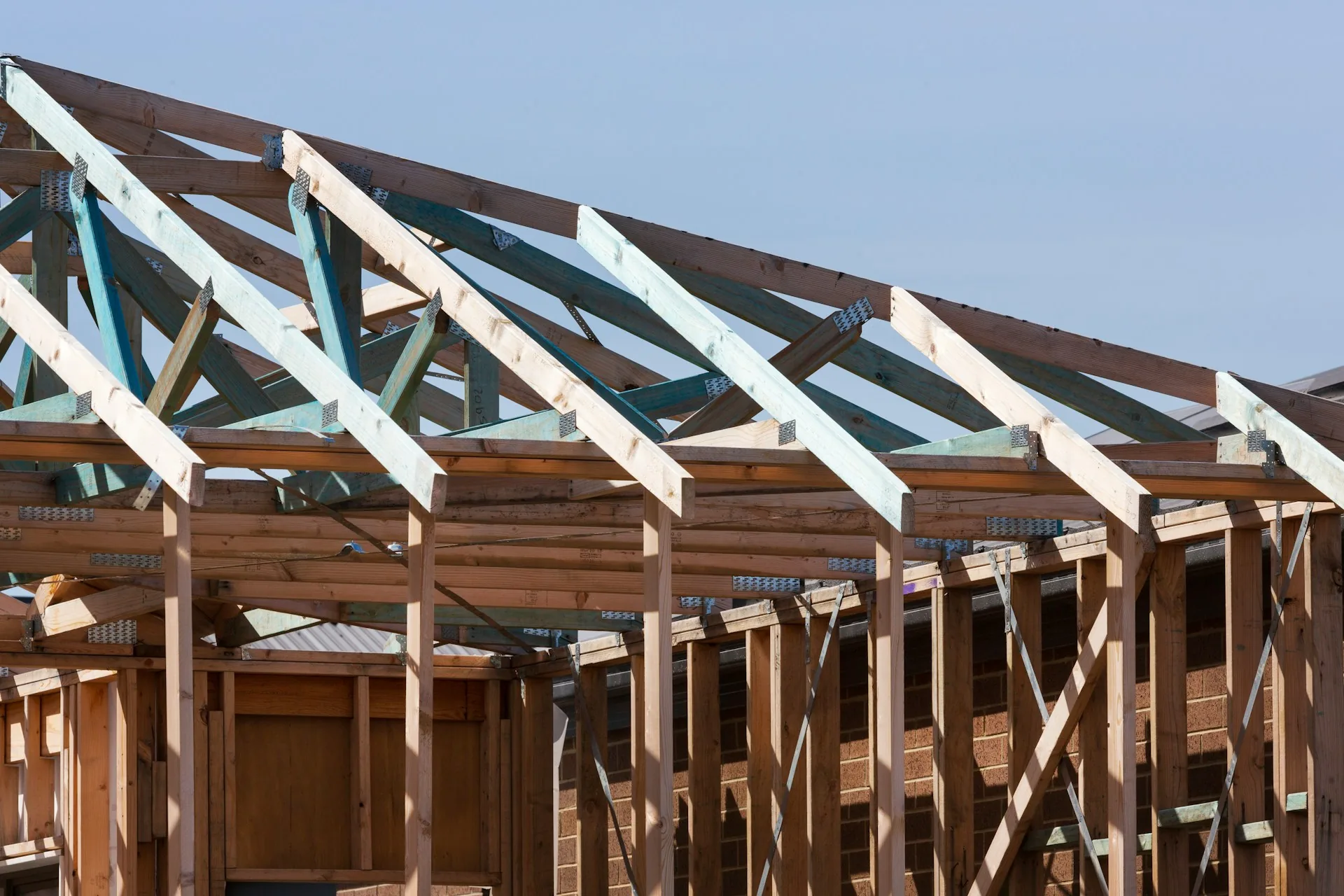
A roof system is safer to understand as a continuous load path from sheathing and trusses through bearings, walls, connections, and foundations. A useful budget separates known costs, allowances, contingencies, and decisions that can still change the outcome.
Focusing on the truss alone can hide the connection or support condition that actually controls performance.
A practical framework
- identify gravity and lateral load paths
- review uplift and connection requirements
- coordinate openings and discontinuities
- confirm the design professional’s notes
Questions to answer
- Which cost is supported by a quote, and which is still an allowance?
- What event would consume the contingency, and how would it be approved?
- Which scope decision creates the largest downstream cost if delayed?
Common failure modes
- Comparing two budgets that use different scopes or assumptions.
- Hiding uncertainty inside a single optimistic total.
- Treating a low first cost as proof of a low total cost.
Primary references
- American Wood Council — wood-design education and standards context
- Florida Building Commission — Florida code resources
Relevant project context
- FLPro Contractors — contractor and jobsite context
- Construa — construction delivery context
- Crownline Roofing — roof-system interface
- FLPro Staffing — field workforce coordination