truss bracing
Educational resource
Truss bracing education: Risk questions to answer early
Truss bracing education: Risk questions to answer early. Bracing keeps the designed geometry stable during handling, installation, and service; the…
Why this matters
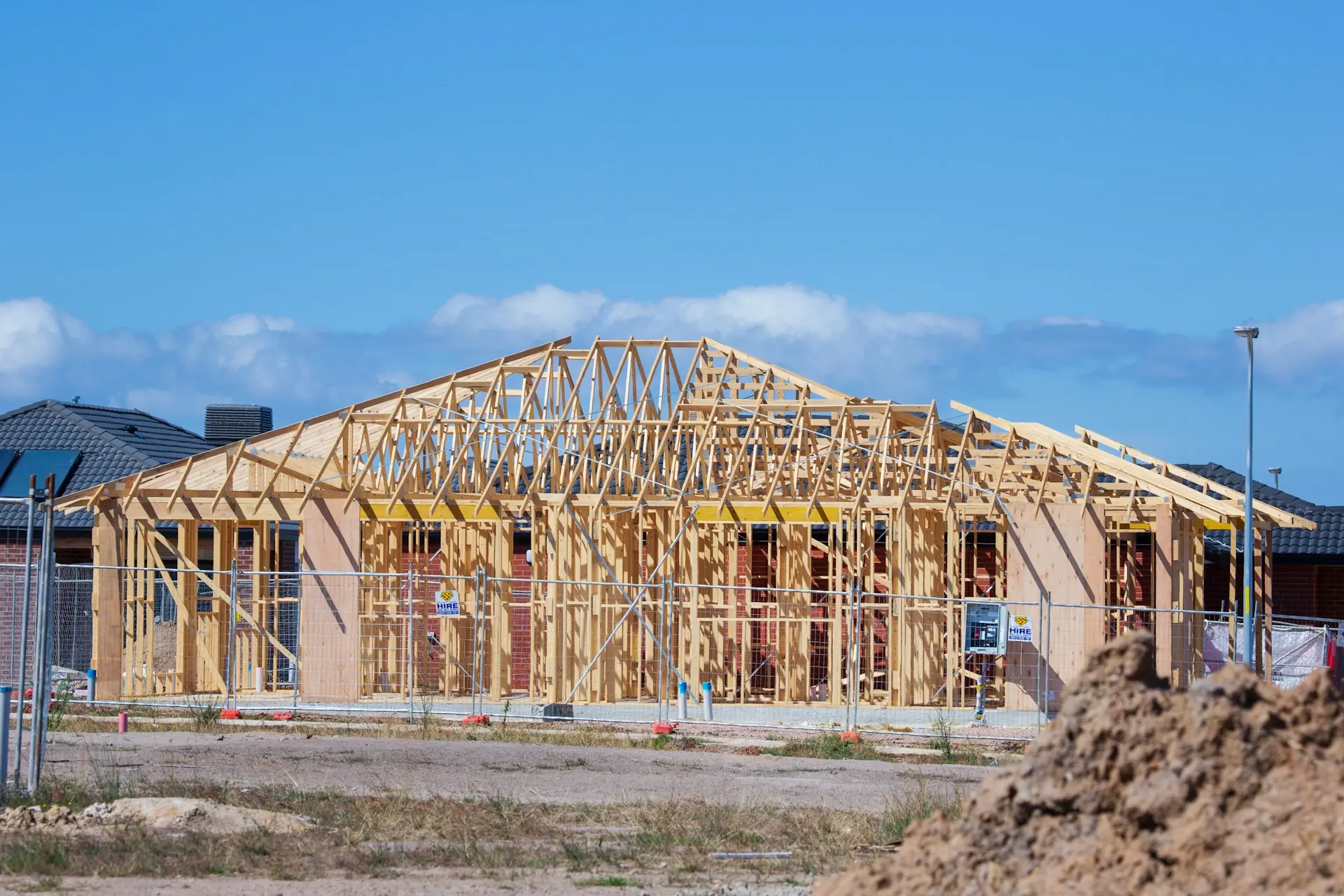
Bracing keeps the designed geometry stable during handling, installation, and service; the project-specific bracing information and qualified instructions control. Risk work is most useful before money, schedule, or reputation is committed; the goal is to make uncertainty visible while options remain.
Generic bracing habits may not match the actual truss layout or design requirements.
A practical framework
- identify temporary and permanent bracing
- follow the design documents and supplier notes
- confirm installer understanding
- inspect bracing before the next phase
Questions to answer
- What is the earliest warning sign that this plan is moving off course?
- Which risk is outside the team’s control and needs an alternate path?
- What evidence would change the recommendation?
Common failure modes
- Calling a risk ‘unlikely’ without explaining the impact if it occurs.
- Combining unrelated risks into one vague status label.
- Failing to revisit the risk register when the scope changes.
Primary references
- American Wood Council — wood-design education and standards context
- Florida Building Commission — Florida code resources
Related learning
Relevant project context
- FLPro Contractors — contractor and jobsite context
- Construa — construction delivery context
- Crownline Roofing — roof-system interface
- FLPro Staffing — field workforce coordination